Vinyl fencing is the superior choice for Indiana homeowners because it withstands harsh winter weather and temperature swings without rotting, warping, or requiring regular painting. While wood offers a lower initial cost and easier repairs, the long-term value of wood vs vinyl fence Indiana options favors vinyl due to its zero-maintenance durability and longer lifespan.
Selecting the perfect boundary for your Fort Wayne property involves more than picking a style from a catalog. Between the humid summers and the relentless freeze-thaw cycles of a Northern Indiana winter, homeowners often feel caught between the timeless warmth of cedar and the resilient promise of modern vinyl. This choice is critical because the local climate acts as a rigorous testing ground for materials; a decision made solely on upfront price may result in unexpected maintenance burdens or structural failure within a few years. In this analysis, we provide a definitive comparison of wood versus vinyl specifically tailored for our region. We will examine long-term durability, total cost of ownership over twenty years, and the practicalities of Fort Wayne permit requirements. By the end, you will have the clarity needed to invest in a fence that offers both security and lasting sophistication.
Understanding the Indiana Climate: Why Your Fence Choice Matters in Fort Wayne
Living in Fort Wayne means dealing with a climate that tests exterior structures year round. While summer humidity is a factor, the real challenge for local fencing begins when the temperature fluctuates during the winter months. Northern Indiana experiences an average of 35 freeze-thaw cycles each winter, creating a relentless cycle of structural stress.
When moisture from snow or rain penetrates a porous material, it eventually freezes as temperatures drop overnight. Basic physics dictates that water expands by approximately 9% as it turns into ice. Inside a fence post or picket, this expansion acts like a slow-motion hydraulic press. Each cycle forces the fibers or layers of the material further apart, creating microscopic fractures that widen over time. This process is why a fence that looked perfectly level in November might show signs of warping or splitting by March.
Understanding these specific environmental stressors is essential for selecting the right materials. At Intricate Fencing, we prioritize installation techniques that account for Fort Wayne’s heavy clay soil and aggressive weather patterns. Navigating the wood vs vinyl fence Indiana debate requires a clear view of how each material handles this repeated expansion, as the wrong decision can lead to premature failure and the need for professional repair services.
Wood Fencing in Northern Indiana: Natural Beauty and Maintenance Reality
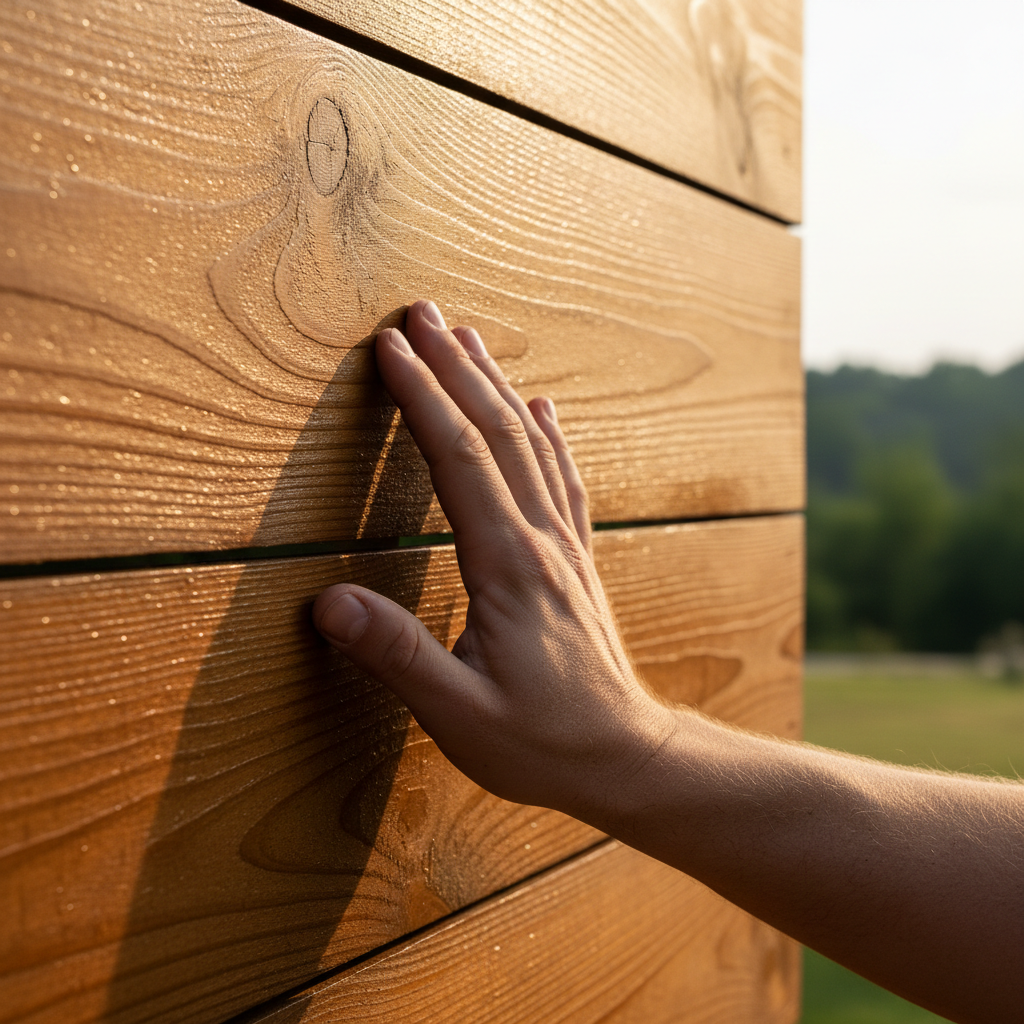
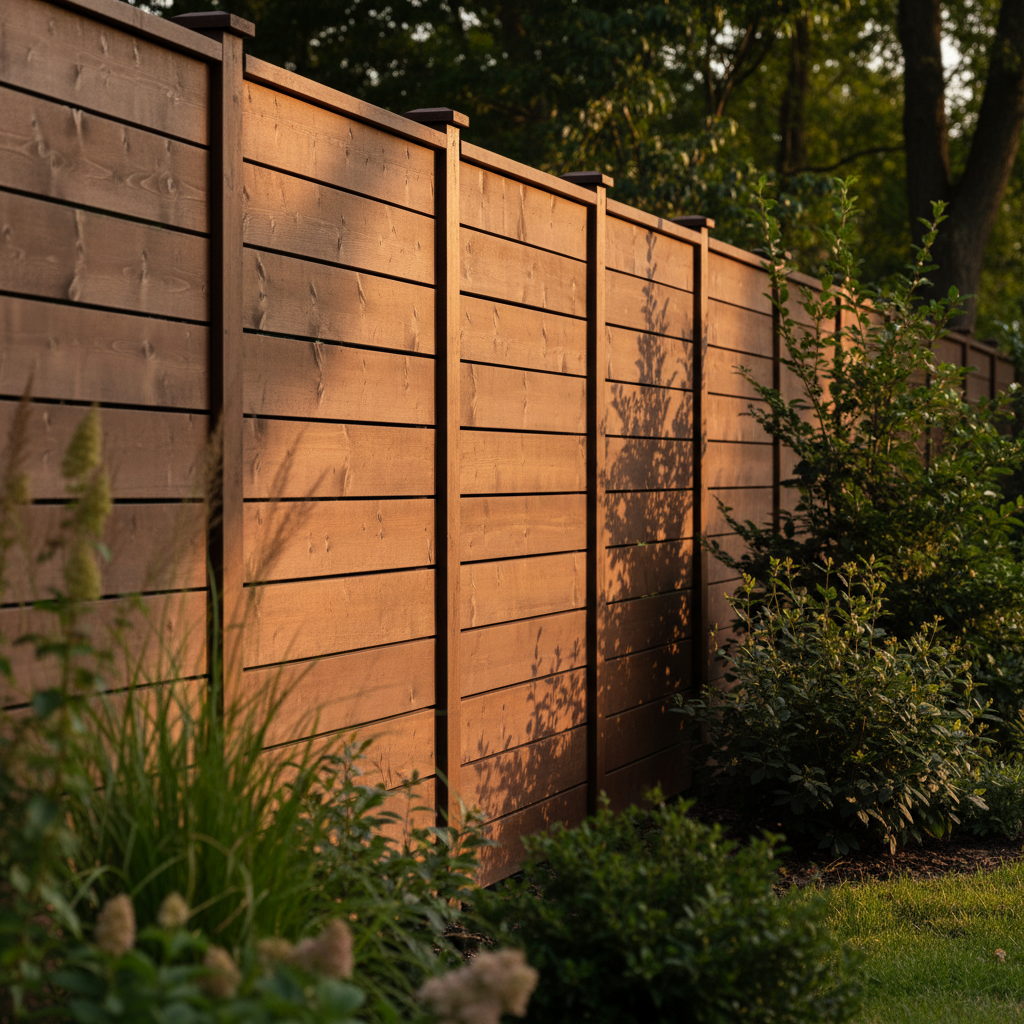
Aesthetic appeal remains the primary driver for homeowners choosing cedar or pressure-treated pine. In historic Fort Wayne neighborhoods like the '05 or the established estates of Aboite, the organic warmth of custom residential fencing using natural lumber provides a timeless look that synthetic materials struggle to replicate. Wood offers a high degree of customization, allowing for specific picket widths or unique staining colors that complement a home’s exterior. However, this visual appeal comes with an inherent maintenance debt that begins the moment the installation is complete.
In the context of Northern Indiana’s high humidity and heavy snow loads, wood requires significant upkeep to remain structural. Homeowners should plan to apply a professional-grade stain or water-repellent sealer every 2 to 3 years. Without this protective barrier, the wood fibers quickly absorb moisture, which fuels the destructive expansion cycles mentioned previously. Data indicates that for a typical 150-foot run, a homeowner will spend between $700 and $1,500 over a 10-year period just on stains and cleaning supplies. This figure excludes the 8 to 12 weekends of labor required to properly prep and treat the surface, a factor that often surprises those comparing a wood vs vinyl fence Indiana climate challenges.
While wood is susceptible to warping and rot if the ground contact is not handled professionally, it does offer the advantage of being easy to fix. If a single board is damaged by a fallen limb or a lawnmower, replacing that individual piece is a straightforward task. This modularity is a benefit, provided the fence was installed correctly in Fort Wayne’s heavy clay soil. We focus on ensuring posts are set to mitigate moisture trapping, as improper drainage will lead to base rot regardless of the wood species. This susceptibility to the elements means that while the initial cost is lower, the long-term commitment to preservation is much higher than other materials.
Vinyl Fencing: The Low Maintenance Choice for Busy Fort Wayne Households
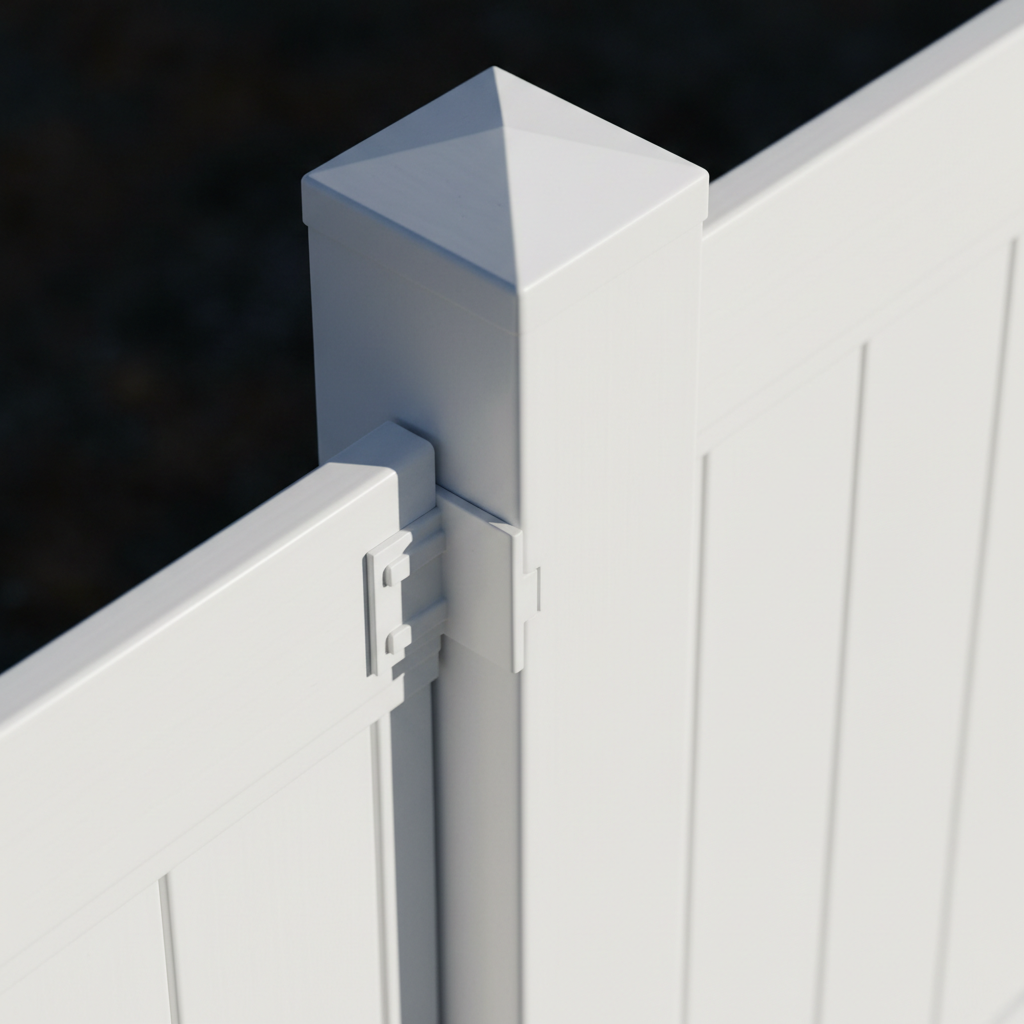
Homeowners in newer Fort Wayne developments like Cherry Hill or Sorrento often prioritize a clean, consistent aesthetic that does not demand their entire weekend for upkeep. For these busy households, vinyl is effectively a set it and forget it solution. Unlike organic materials, vinyl is entirely impervious to moisture and the common wood destroying insects found throughout Allen County. Because it does not absorb water, it completely bypasses the destructive freeze-thaw expansion issues that plague wood installations.
Generic advice often warns that plastic materials become brittle, but high quality vinyl, such as the professional grade products we use at Intricate Fencing, is engineered with specific chemical stabilizers and impact modifiers. These additives ensure the panels remain flexible enough to expand and contract during Indiana's dramatic temperature swings without losing structural integrity. This flexibility is a critical distinction when weighing the wood vs vinyl fence Indiana homeowners face; while wood eventually splits from internal ice pressure, professional grade vinyl is designed to move with the environment.
Maintenance is restricted to an occasional rinse with a garden hose and mild soap to remove dust or grass clippings. There is no need for the repetitive sanding, staining, or sealing required to keep custom residential fencing looking new. By eliminating the $700 to $1,500 maintenance cost typically associated with wood over a ten year period, vinyl provides a predictable, worry free boundary for your property. For those who would rather spend their Saturday at a local park than on a ladder with a paintbrush, contact Intricate Fencing to discuss the long term benefits of a high performance vinyl installation.
Durability Face-Off: Does Vinyl Really Crack in Indiana Winters?
A frequent question among local homeowners is whether vinyl panels will shatter during a sub-zero Fort Wayne night. In reality, while vinyl does become more rigid once temperatures dip below 10 degrees, spontaneous cracking is virtually non-existent in professional grade products. When a vinyl fence fails in the winter, it is almost always the result of a high impact event, such as being struck by a heavy snowblower or a falling ice limb, rather than the temperature itself.
Quality is the deciding factor here. Materials sourced from big box retailers often use thin gauge extrusions that lack the necessary chemical stabilizers for the Northern Indiana climate. At Intricate Fencing, we use professional grade vinyl engineered with impact modifiers that allow the material to remain resilient even in extreme cold. This durability stands in sharp contrast to wood's reaction to the freeze-thaw cycle.
Wood does not become brittle like plastic, but it experiences shattering or splitting within its fibers as internal moisture freezes and expands. These splits are permanent structural failures that cannot be reversed. While vinyl returns to its flexible state when the weather warms, a split wood picket remains compromised, often requiring professional repair services to prevent the gap from widening into a total rot point. In the wood vs vinyl fence Indiana debate, the temporary rigidity of vinyl is far more manageable than the permanent fiber separation seen in natural lumber.
Cost Analysis: Upfront Investment vs 20-Year Total Value
While the initial price tag often dictates the starting point for many homeowners, the long term financial picture requires looking past the day of installation. When evaluating a wood vs vinyl fence Indiana homeowners must weigh the lower entry price of wood against the inevitable maintenance debt that accumulates with every passing season.
Cost Factor | Wood (150 Linear Feet) | Vinyl (150 Linear Feet) |
|---|---|---|
Initial Installation | $2,700 – $4,200 | $3,750 – $6,000 |
10-Year Maintenance Costs | $700 – $1,500 | $0 |
20-Year Maintenance Costs | $1,400 – $3,000 | $0 |
Estimated 20-Year Total | $4,100 – $7,200 | $3,750 – $6,000 |
For a standard 150 foot run, wood is the more affordable upfront investment, typically ranging from $18 to $28 per linear foot. Vinyl requires a higher initial commitment, often between $25 and $40 per linear foot. However, the hidden costs of wood quickly bridge that gap. To keep custom residential fencing made of wood from rotting in Fort Wayne’s humidity, you must budget for high quality stains and sealants every two to three years. Over a decade, this equates to roughly $700 to $1,500 in materials alone, not accounting for the 8 to 12 weekends of labor required to perform the work properly.
In the local Fort Wayne market, vinyl generally pays for itself by year seven or eight. Beyond this break even point, vinyl owners enjoy a maintenance free boundary while wood owners continue to invest in professional repair services and preventative care. Furthermore, resale value in Allen County favors vinyl. Many buyers prefer the lower future obligation of a vinyl perimeter, viewing it as a permanent asset rather than a recurring chore. To explore the best ROI for your property, contact Intricate Fencing for a comprehensive project estimate.
Privacy and Security: Choosing the Best Fence for Dogs and Noise
Choosing the right custom residential fencing involves more than just aesthetics; it requires evaluating how materials perform as functional barriers. For households with reactive dogs, the structural differences between wood and vinyl are critical. Wood pickets naturally shrink as they lose moisture during Indiana's dry winters, creating narrow gaps between boards over time. These small openings allow pets to see movement in the alley or neighboring yard, often triggering persistent territorial barking. In contrast, professional grade vinyl utilizes tongue and groove interlocking panels that provide a total visual block. This design ensures your dog remains calm by eliminating the sightlines that wood fences often develop as they age.
Noise mitigation is another priority for properties situated near busy Fort Wayne arteries like Jefferson Blvd or Lima Rd. Solid panel vinyl acts as a superior acoustic barrier because it lacks the air gaps found in traditional dog ear wood fences. A continuous, non porous surface reflects sound waves more effectively, significantly reducing ambient traffic noise compared to wood. If you are looking to create a quiet, secure sanctuary for your family and pets, contact Intricate Fencing to discuss which material best serves your specific privacy and security needs.
Local Regulations: Fort Wayne Fence Permits and Property Lines
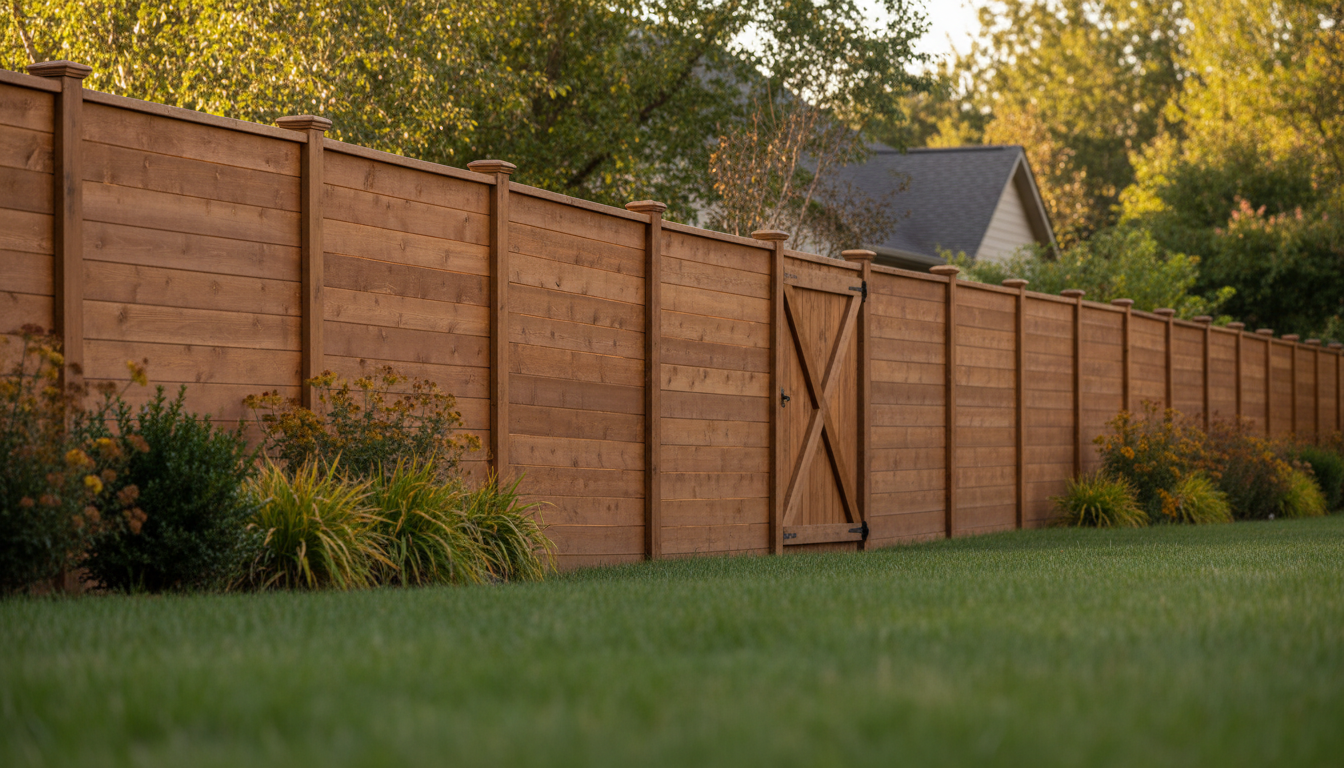
Navigating the administrative requirements of a project is as crucial as selecting the material. Most residential fence installations within the Fort Wayne city limits require a permit from the Department of Planning Services. Local zoning ordinances typically enforce strict height standards; backyards are generally limited to a 6 foot maximum, while front yard fences are often restricted to 3 or 4 feet to maintain sightlines for traffic and pedestrians.
Before any post holes are bored into Indiana's dense, heavy clay soil, professional utility marking through 811 is a mandatory safety step. Striking an underground line not only incurs heavy fines but creates significant safety hazards. Managing these technicalities, from property line verification to permit procurement, is why many Allen County homeowners contact Intricate Fencing. As a licensed and insured contractor, we ensure your custom residential fencing complies with all municipal codes, preventing future legal disputes or the need for professional repair services caused by improper placement. This logistical expertise is a vital component in the wood vs vinyl fence Indiana homeowners must consider for a successful long term installation.
Choosing between wood and vinyl involves weighing initial costs against long term maintenance needs in the Indiana climate. Both materials offer distinct advantages for Fort Wayne properties, whether you prefer the natural aesthetic of cedar or the lasting resilience of high quality vinyl. If you find yourself needing expert help to make the right choice for your specific yard, you can learn more about our team and our commitment to quality craftsmanship. We are here to ensure your new fence serves your home perfectly for years to come.