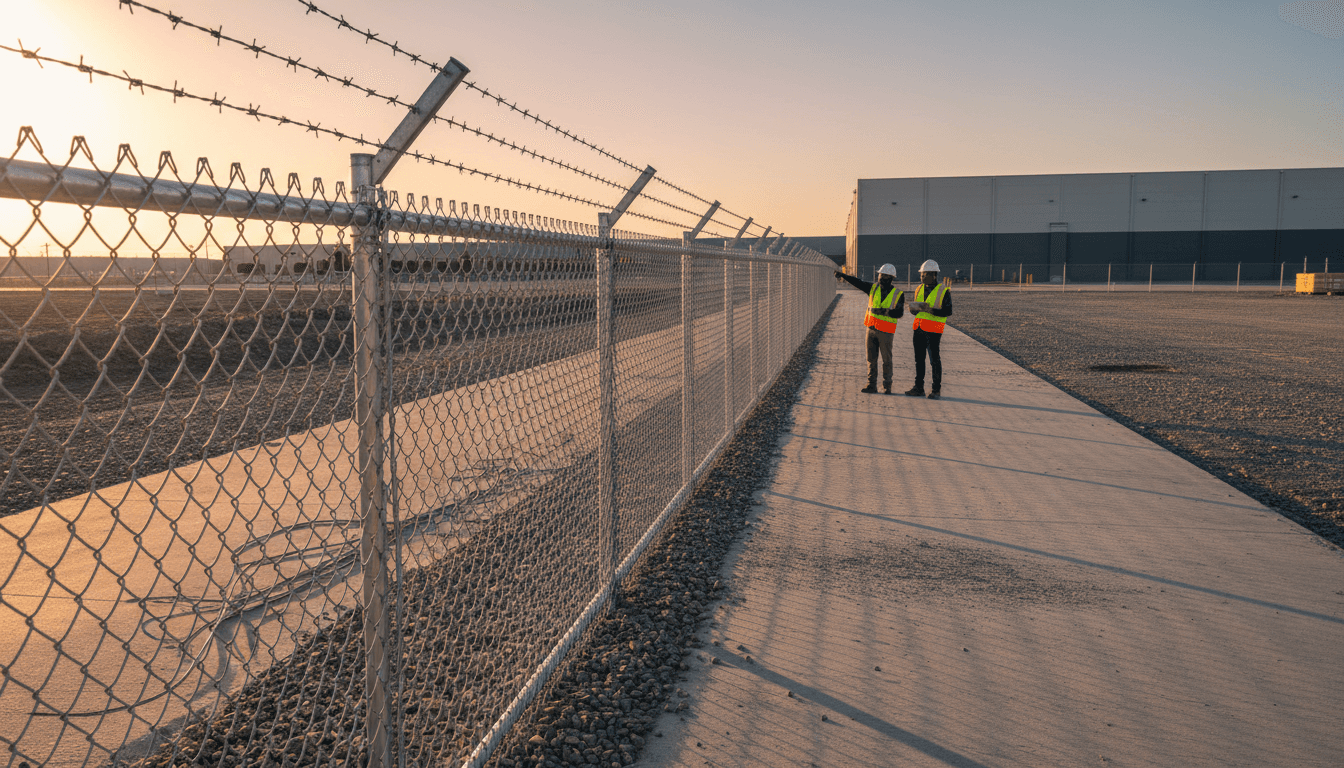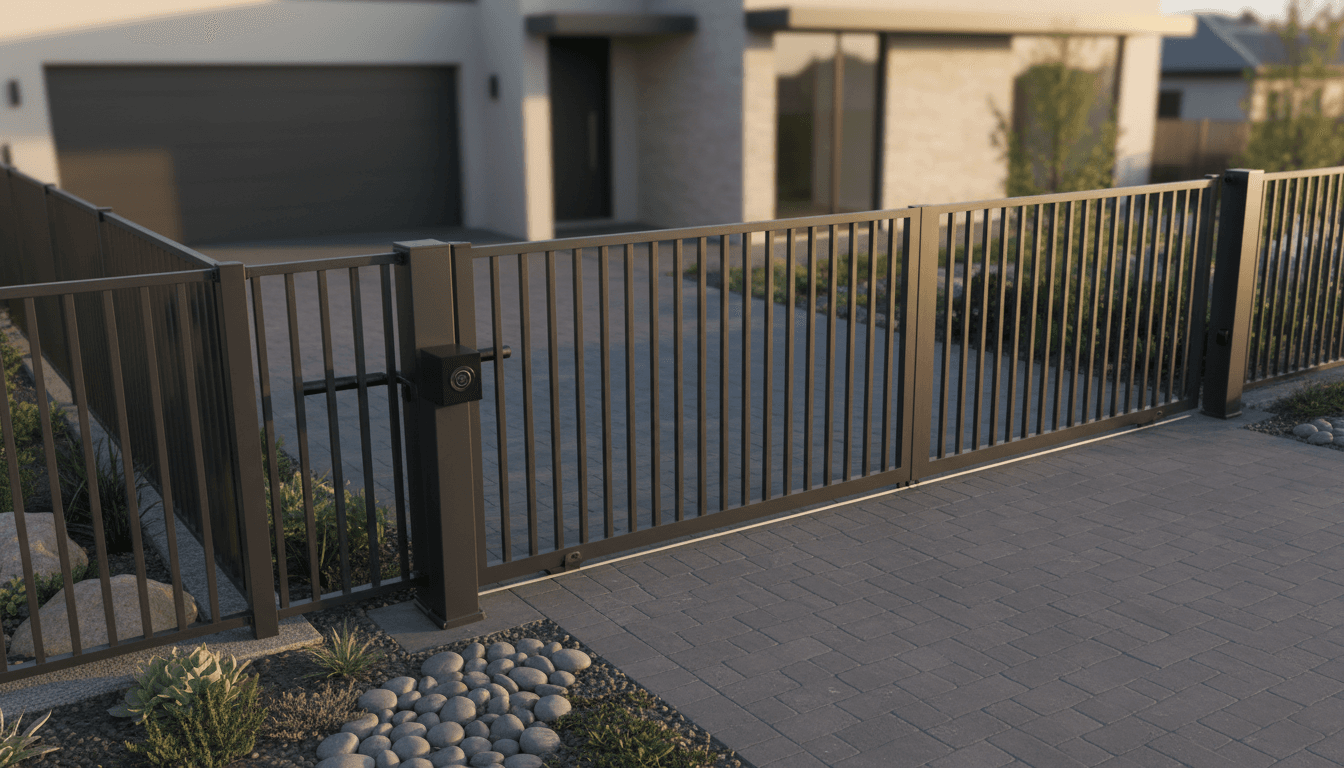
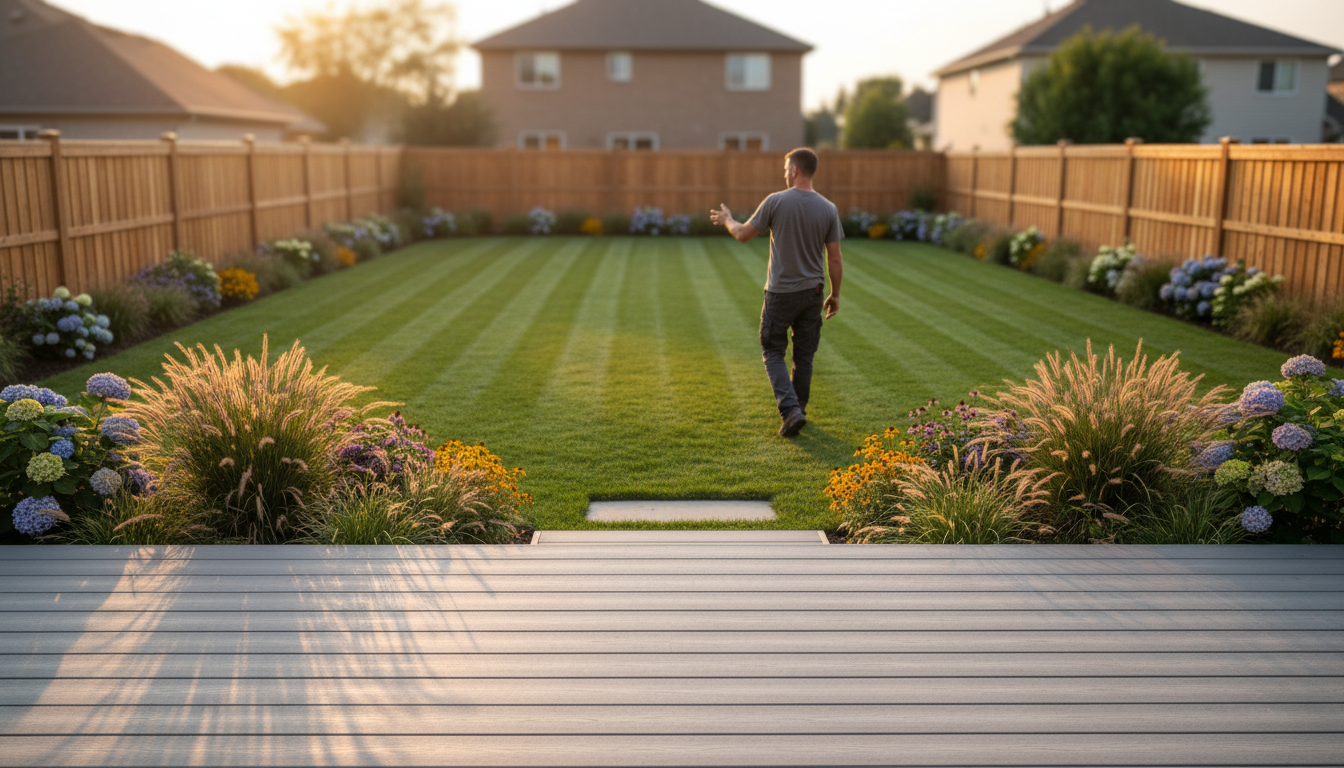
Successful fence and deck project planning Fort Wayne Indiana involves securing necessary permits from the Allen County Building Department, verifying property lines, and reviewing local HOA guidelines. Residents should apply for a fort wayne fence permit early to ensure compliance with height and material regulations; additionally, most deck projects require official site plan approval. Planning ahead for utility marking and site preparation helps maintain a steady timeline, which typically ranges from two to four weeks for standard installations.
Designing a custom outdoor living space in Fort Wayne should be an inspiring process, yet the complex realities of property boundaries, municipal codes, and material durability often create unnecessary stress for homeowners. Too many projects begin with excitement only to be derailed by overlooked permits or site preparation errors. Strategic planning is the foundation of any enduring structure; it ensures that your investment is protected and your vision is executed without costly setbacks. In this comprehensive guide, we provide an expert roadmap for navigating the essential phases of your build. You will learn how to manage Allen County permitting requirements, understand Indiana fence laws, and prepare your site for a professional installation that elevates your home's aesthetic and functional value.
Why Strategic Planning is Essential for Fort Wayne Outdoor Projects
Investing in custom residential and commercial fencing or a new deck in Fort Wayne requires more than a simple design choice. Proper fence and deck project planning Fort Wayne Indiana demands a balance between aesthetic goals and the technical realities of Allen County zoning, Indiana weather, and property laws. For homeowners in neighborhoods like Aboite or the 46805 zip code, these structures are significant investments that demand durability against our local freeze-thaw cycles.
While Intricate Fencing manages the complex logistics of construction and offers professional repair services, homeowners benefit most when they understand the roadmap from the start. Navigating the path from conceptual design to the final walkthrough prevents common pitfalls, such as failing to meet the specific setbacks required by the Allen County Department of Planning Services. By establishing a clear plan, you ensure your project adds long-term value to your property without legal or structural setbacks. To begin your consultation, contact Intricate Fencing today.
Phase 1: Conceptual Design and Material Selection

The foundation of successful fence and deck project planning Fort Wayne Indiana starts with matching your aesthetic goals to the region’s volatile weather patterns. Northern Indiana experiences significant freeze-thaw cycles that can heave footings and warp inferior materials. Selecting the right substrate is a decision between upfront cost and long-term maintenance requirements.
For custom residential and commercial fencing, homeowners generally choose between four primary materials. Wood offers a classic look but requires regular staining to prevent rot in our humid summers. Vinyl and aluminum provide nearly maintenance-free alternatives; vinyl is excellent for privacy, while aluminum offers a sophisticated, open aesthetic that resists corrosion. Composite fencing serves as the premium tier, combining the look of wood with extreme durability. Early budgeting should account for a typical cost range of $10 to $60 per linear foot, depending on the specific height and material grade selected.
Material | Durability | Maintenance Level | Best For |
|---|---|---|---|
Wood | Moderate | High | Traditional aesthetics |
Vinyl | High | Low | Privacy and perimeter |
Aluminum | High | Low | Security and visibility |
Composite | Very High | Low | Maximum longevity |
When planning a deck, the choice between pressure-treated lumber and composite decking involves analyzing life-cycle value. Pressure-treated wood is the standard for structural framing, but as a surface material, it is prone to splintering and checking under the intense Indiana sun. Composite decking, while a larger initial investment, withstands the moisture of local winters without the need for annual sanding or sealing. Choosing materials that resist moisture absorption is vital to preventing the structural degradation caused by the relentless expansion of frozen ground and melting snow.
Phase 2: Navigating Fort Wayne and Allen County Permits

After finalizing your material and design, the next step in fence and deck project planning Fort Wayne Indiana involves the local regulatory framework. Most residential exterior projects in our area fall under the jurisdiction of the Allen County Department of Planning Services (DPS), located at Citizens Square on East Berry Street. While the process is streamlined, missing a filing can lead to fines or the forced removal of a structure during a property sale.
For custom residential and commercial fencing, the 2026 fee schedule maintains a straightforward $30 flat fee for a standard permit. It is important to note that while city and county requirements share many similarities, specific zoning overlays within Fort Wayne city limits may restrict fence heights to 2.5 or 4 feet in front yards to preserve neighborhood sightlines, whereas side and rear yards generally allow for up to 6 or 8 feet. For homeowners in unincorporated Allen County, these setbacks can vary slightly based on the specific plot size and agricultural zoning.
Deck permits involve more technical triggers dictated by the Indiana Residential Code. You must obtain a permit if the deck is more than 30 inches above the finished grade or exceeds 200 square feet in total area. Any deck attached to the primary residence requires a permit regardless of its height because it impacts the structural envelope of the home.
Project Type | Permit Trigger | 2026 Estimated Fee |
|---|---|---|
Standard Fence | Any new installation | $30 |
Pool Safety Fence | Mandatory for all pools | $30 |
Small Freestanding Deck | Under 30" high and < 200 sq. ft. | No permit required |
Standard/Attached Deck | Over 30" high or > 200 sq. ft. | $30 to $200+ (based on scale) |
Applications are managed through the Accela Citizen Access portal, which allows for digital submission of site plans. If you are located within a designated historic district, be aware that additional architectural reviews have been strictly enforced since November 2025. Navigating these requirements early prevents delays during the peak construction season. If you are unsure about the specific zoning for your lot, contact Intricate Fencing to discuss how these local regulations apply to your proposed design.
Phase 3: Understanding Property Lines and Indiana Fence Law
Once the permit is secured, the focus of fence and deck project planning Fort Wayne Indiana shifts to the physical boundaries of your lot. Determining the exact location of your property line is the most critical step in avoiding future legal friction. While a fence can technically be placed directly on a property line in many parts of Allen County, most Fort Wayne homeowners opt to set their structure 2 to 6 inches inside the boundary. This buffer ensures that even with slight post shifts or future maintenance activities, the fence remains entirely on your private property.
Indiana state law provides specific protections regarding residential barriers. Under IC 32-26-10-1, any fence exceeding six feet in height that is unnecessarily tall and built with the intent to annoy a neighbor can be legally classified as a spite fence and deemed a nuisance. Even with a valid city permit, violating this statute or ignoring the general principles of the Indiana Partition Fence Law can lead to costly disputes.
Fort Wayne’s urban layout also requires attention to visibility triangles. On corner lots, the city strictly enforces clear sightlines for drivers; fences in these areas are often restricted in height or prohibited entirely within a triangular zone measured from the street intersection. Additionally, while not always a legal requirement outside of specific HOA covenants, local etiquette dictates placing the good side (the finished face) toward the neighbor or the street. This practice maintains neighborhood aesthetics and is a standard mark of quality for custom residential and commercial fencing. If you are uncertain about your boundary markers, contact Intricate Fencing to discuss why a professional survey is a wise investment before breaking ground.
Phase 4: Site Preparation and Hidden Utilities
Before the first hole is dug, your attention must shift from legal boundaries to the physical realities beneath the soil. A successful fence and deck project planning Fort Wayne Indiana strategy requires distinguishing between public and private utilities. While Indiana 811 will mark public gas, electric, and water lines, they do not locate private installations. Homeowners are responsible for identifying the paths of sump pump discharge lines, lawn irrigation systems, invisible pet fences, and low-voltage landscape lighting. In Fort Wayne’s heavy clay soil, a punctured sump pump line can quickly lead to basement flooding, making this identification step non-negotiable.
To ensure a seamless installation and avoid the need for professional repair services before the project is even finished, follow this preparation checklist:
Flag all private utility lines with yard stakes or marking paint.
Clear a three foot path along the proposed fence line by removing brush, wood piles, or lawn furniture.
Mow the grass short in the work area to help the crew identify ground level changes.
Secure all pets inside the home and ensure the crew has clear access to the backyard.
Verify that outdoor water spigots and electrical outlets are functional and accessible.
The first 45 minutes of installation day are the most critical. This is when you will conduct a final site walkthrough with the crew leader to confirm post locations, gate swing directions, and any slight adjustments needed due to hidden obstacles like large tree roots. Being present for this window ensures your vision aligns perfectly with the crew's execution. If you have questions about specific site challenges, contact Intricate Fencing to discuss your property layout.
Phase 5: The Build Timeline and Final Walkthrough

Once site prep is complete, the physical transformation of your property begins. Managing expectations during this phase is a core part of fence and deck project planning Fort Wayne Indiana. While most custom residential and commercial fencing can be completed in under a week, a custom deck typically requires a two to four week construction window. This timeline is largely dictated by the inspection sequence required by the Allen County Building Department. For decks, you must clear three specific hurdles: the footing inspection before concrete is poured, the framing inspection to verify ledger flashing and structural joints, and the final inspection for safety compliance.
For fencing, the technical focus remains underground. To combat the shifting nature of Fort Wayne’s heavy clay soil, all posts should be set to a minimum depth of 24 inches. This depth is vital to prevent frost heave, which can otherwise tilt and ruin a perimeter in a single winter season.
Project Milestone | Component Checked | Significance |
|---|---|---|
Post/Footing | Hole Depth | Prevents shifting from freeze-thaw |
Structural Frame | Joists and Flashing | Ensures long-term safety and stability |
Final Completion | Hardware and Gates | Verifies ease of use and security |
The process ends with a formal final walkthrough, a step as important as the initial consultation. This is your opportunity to ensure gates swing correctly without dragging, latches engage securely, and the site is clear of all construction debris. If you are integrating new work with existing structures that need professional repair services, the walkthrough ensures all transitions are seamless and structural. To move your project into the active build phase, contact Intricate Fencing to finalize your installation schedule.
Common Project Planning Mistakes to Avoid
Successful fence and deck project planning Fort Wayne Indiana requires avoiding several high-impact errors that can compromise your investment. One of the most frequent oversights is assuming a permit from the Allen County Department of Planning Services at Citizens Square overrides your Homeowners Association (HOA) covenants. These are separate legal layers. Many local neighborhoods have stricter aesthetic requirements than the city; building without HOA approval can lead to expensive mandatory modifications or removal orders.
Structural failures often stem from ignoring local environmental stressors. In Fort Wayne, failing to account for yard drainage is a critical error. Our heavy clay soil retains significant moisture. Placing a fence line across a natural swale or installing a deck too low to the ground without proper airflow will lead to premature rot and eventually necessitate professional repair services within just a few seasons.
Planning Oversight | Consequence | Prevention |
|---|---|---|
Shallow Post Depth | Frost heave and leaning sections | Ensure posts are set at least 24 inches deep |
Skipping Permits | Fines and title transfer delays | File through the Accela portal before breaking ground |
Maintenance Mismatch | Premature material failure | Choose vinyl or composite if staining is not desired |
Selecting the wrong material for your lifestyle is another common pitfall. While wood is excellent for custom residential and commercial fencing, it demands a commitment to regular sealing. If you are ready to ensure your project avoids these common pitfalls and adheres to all local codes, contact Intricate Fencing to schedule an expert site assessment.