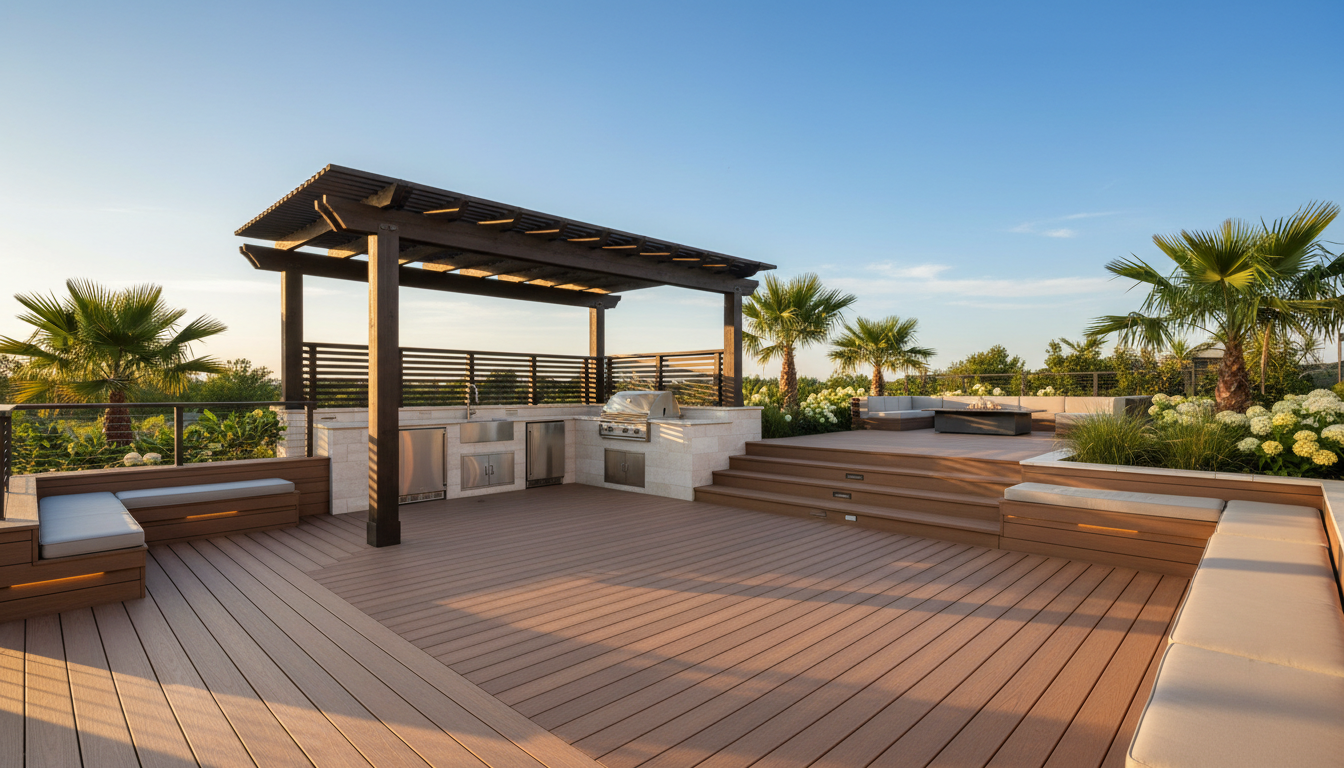
Choosing the right option during a deck material comparison Fort Wayne Indiana depends on balancing upfront costs with long-term resistance to local freeze-thaw cycles and humidity. Composite and PVC materials offer the best durability against harsh winters and summer moisture, whereas traditional wood remains the most budget-friendly choice despite requiring more frequent maintenance.
Fort Wayne homeowners know the struggle of keeping an outdoor space looking pristine through Indiana’s volatile seasons. From heavy lake effect snow to humid summer afternoons, the local climate is notoriously unforgiving on traditional building materials. Choosing the wrong decking often leads to premature rot, expensive annual staining, or warped boards that ruin your curb appeal. At Intricate Fencing, we believe a deck should be a permanent extension of your home rather than a recurring chore. This guide breaks down the essential differences between pressure treated wood, composite, and PVC solutions. We examine the specific performance of each material against local weather patterns, analyze projected 2026 installation costs, and identify which options offer the highest return on investment. By the end, you will have the expert insight needed to select a material that balances aesthetic sophistication with long term structural integrity.
Understanding the Fort Wayne Climate Challenge
Building a durable outdoor space in Allen County requires more than just an eye for design; it demands a technical understanding of the local environment. Our team at Intricate Fencing recognizes that Northeast Indiana presents a brutal test for any exterior structure. The most significant threat is the recurring freeze thaw cycle. When moisture enters the pores of a material and subsequently freezes, it expands significantly. This internal pressure physically shears wood fibers, creating deep cracks and checking that eventually compromise the structural integrity of the boards.
While winters are harsh, the Indiana humidity in July creates a secondary battleground. Sustained high moisture levels often lead to rapid mold growth and accelerated rot in poorly maintained or improperly specified wood. We account for these environmental stressors, including the local frost line of 36 inches and snow loads that can reach 30 pounds per square foot, during every professional deck construction project. A thorough deck material comparison Fort Wayne Indiana homeowners perform must prioritize these atmospheric realities over aesthetics alone. Understanding how different substrates respond to these specific pressures is the first step toward a long lasting investment. If you are ready to evaluate your backyard’s unique exposure, you can request a custom quote to learn how we mitigate these local challenges. You can also learn more about Intricate Fencing and our specialized approach to the Indiana climate.
Traditional Wood Decking: Pressure Treated Lumber and Cedar
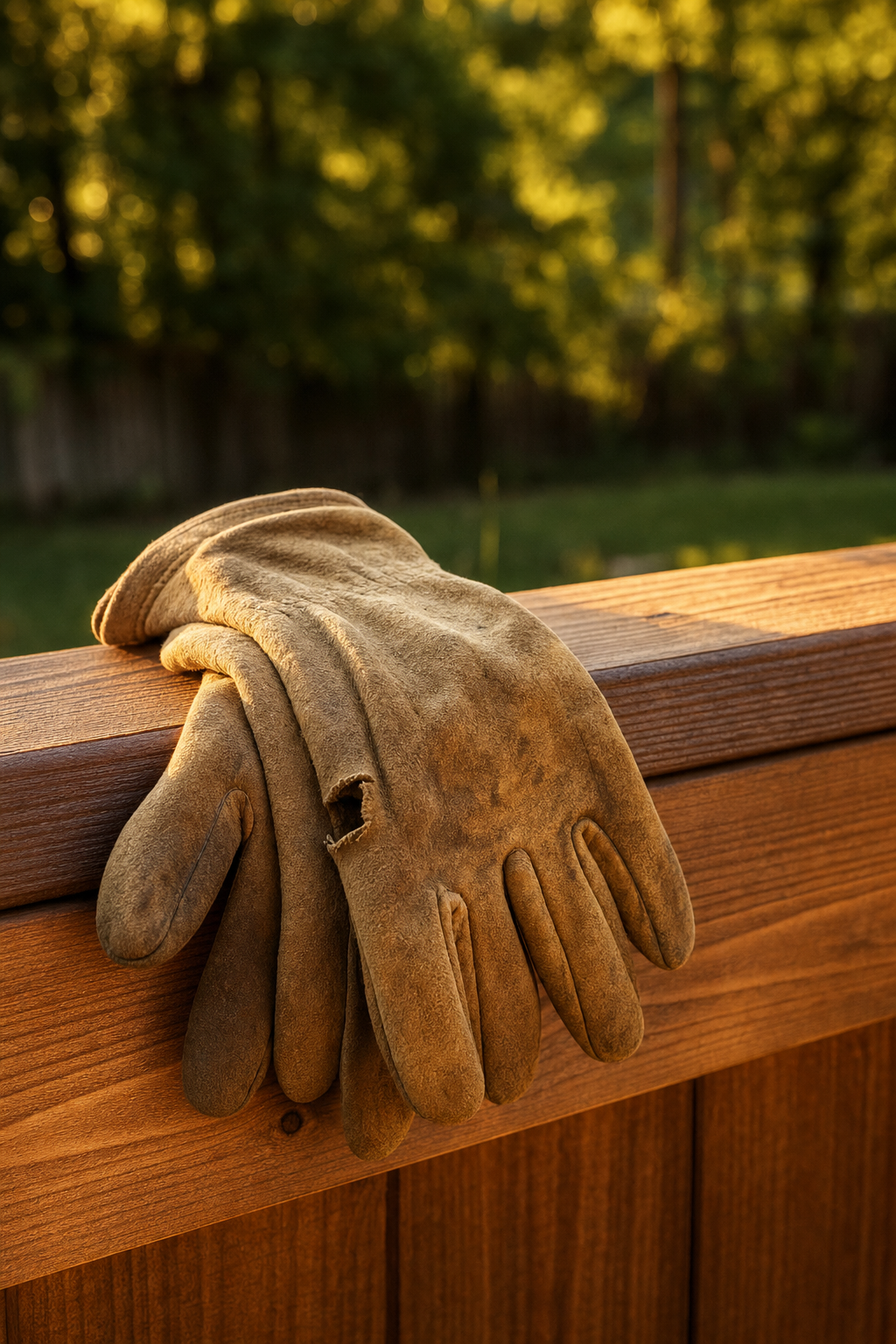
Real wood remains a staple for many homeowners because of its organic texture, warmth, and lower upfront installation cost. For those prioritizing a natural aesthetic, two primary options dominate the local market: pressure treated pine and Western Red Cedar.
Pressure treated pine is the most common material used in professional deck construction due to its affordability. The wood is chemically treated under high pressure to force preservatives deep into the fibers, which helps it resist rot and insect infestation. However, pine is a soft wood that is highly susceptible to the moisture fluctuations common in Northeast Indiana. This often results in significant warping, twisting, or cupping if the boards are not strictly maintained and protected from the elements.
Western Red Cedar is the premium wood alternative. It is naturally resistant to decay and offers a rich, reddish hue that pine cannot replicate. Cedar contains natural tannins and oils that repel insects and moisture, providing better dimensional stability than treated pine. Despite these natural defenses, cedar is still an organic fiber that reacts to our local environment.
When conducting a deck material comparison Fort Wayne Indiana homeowners must account for the long-term labor involved. To prevent the wood from splintering and turning a dull grey, these decks require a fresh coat of high-quality stain or sealer every 2 to 3 years. Without this consistent protection, the freeze-thaw cycles will accelerate fiber breakdown and compromise the deck's integrity. In the Fort Wayne area, a wood deck that is properly maintained can be expected to last between 10 and 15 years. This shorter lifespan is the primary trade-off for the lower initial investment.
Composite Decking: The Middle Ground of Performance and Value
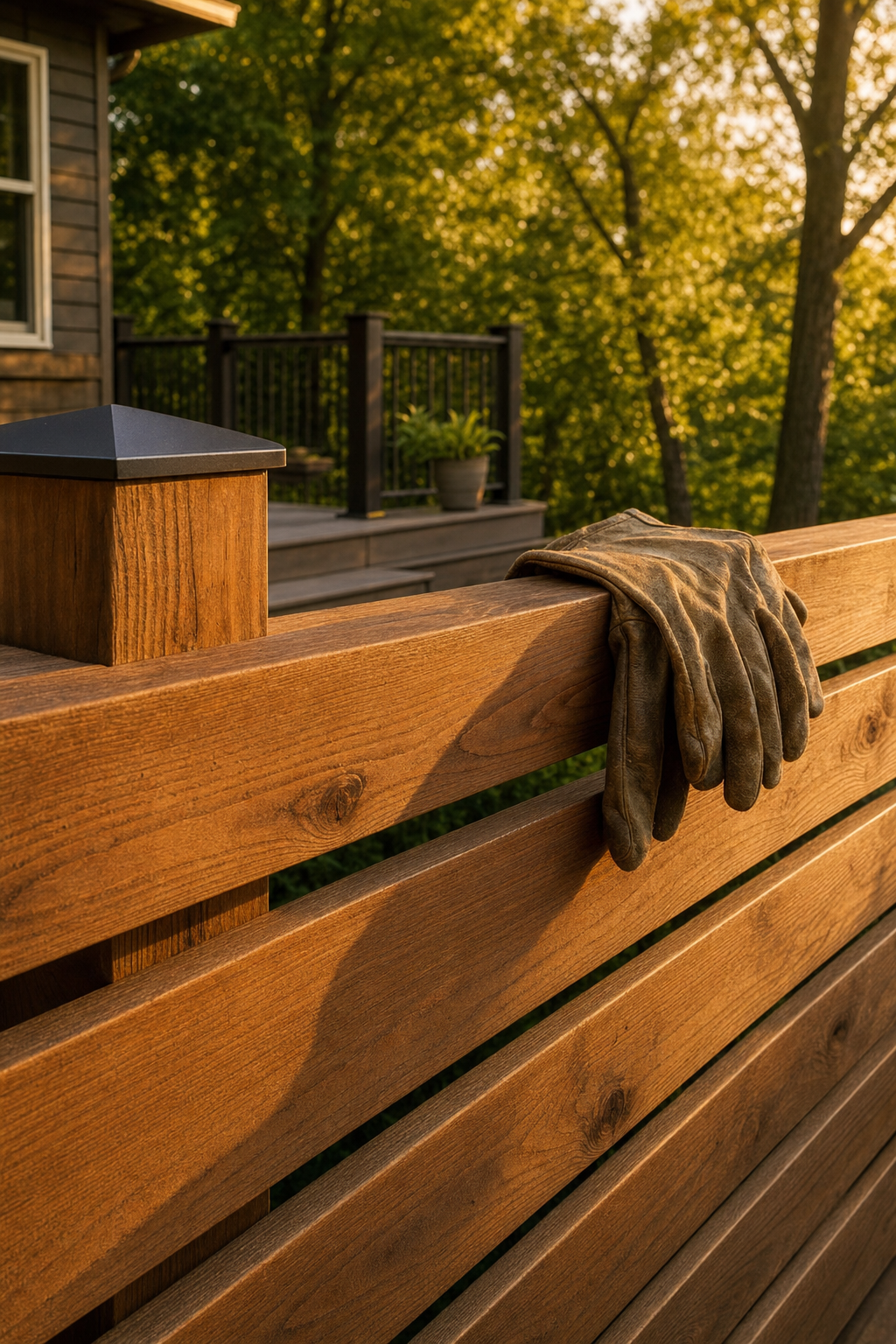
Composite decking serves as the engineered solution for homeowners who want the look of wood without the grueling maintenance schedule previously mentioned. These boards are manufactured from a blend of recycled wood fibers and plastic polymers, creating a dense, heavy product that resists rot more effectively than organic lumber. Leading brands like Trex and TimberTech have become industry standards in Northeast Indiana because they offer capped products. This means the core is wrapped in a hard, non-porous shell that acts as a primary defense against the heavy annual rainfall and high humidity levels in Allen County.
Homeowners frequently ask if composite decking is worth the higher initial cost in Indiana. When evaluating a deck material comparison Fort Wayne Indiana homeowners must look beyond the first invoice. While a composite deck may cost more upfront than pressure treated pine, it eliminates the need for power washing, sanding, and staining every two years. Over a decade, the savings on professional labor and premium stains often offset the initial price gap. Furthermore, composite materials are less prone to the checking or deep cracking caused by the local freeze thaw cycle, providing a more stable walking surface for years.
There is a specific thermal consideration for local properties, particularly in neighborhoods where homes may have wide, unshaded south-facing lots. Composite materials retain more heat than natural wood when exposed to direct July sun. If your backyard lacks a tree canopy or a pergola, the surface temperature of darker composite boards can become uncomfortable for bare feet or pets during peak afternoon hours. We often recommend lighter color palettes or specific professional deck construction techniques to mitigate heat absorption for these high exposure sites. If you are weighing the long term value against these practical factors, you can request a custom quote to see which specific composite series fits your home's orientation and your budget.
PVC Decking: The Premium Moisture Proof Solution
PVC decking represents the highest tier of performance in our professional deck construction lineup. Unlike composite materials that contain a percentage of wood fibers, PVC is 100 percent synthetic polyvinyl chloride. This complete lack of organic material makes it the gold standard for long term durability in Allen County. It is entirely immune to the biological threats that compromise other materials, such as rot, mold, mildew, and wood-boring insects.
Homeowners who choose PVC are typically looking for a true "set it and forget it" solution. In a thorough deck material comparison Fort Wayne Indiana residents must consider how materials react to standing moisture. During our heavy Indiana snowfalls, snow can sit on a deck surface for weeks. As that snow melts, the water remains in constant contact with the boards. While wood and even some capped composites might absorb trace amounts of moisture through microscopic pores, PVC remains entirely impenetrable. This moisture resistance prevents the internal expansion and contraction that leads to structural degradation over time.
Premium brands like Azek utilize advanced cellular PVC technology that provides a dense, sturdy underfoot feel while remaining significantly lighter than composite. This material also resists the staining and fading that can occur with high UV exposure in exposed backyards. If you are planning a high traffic outdoor space or a pool surround, PVC provides the best protection against water damage and chemical wear. To see how this premium material fits into your project goals, you can request a custom quote or learn more about Intricate Fencing and our specific installation standards for synthetic decking.
Side by Side Comparison: Wood vs Composite vs PVC
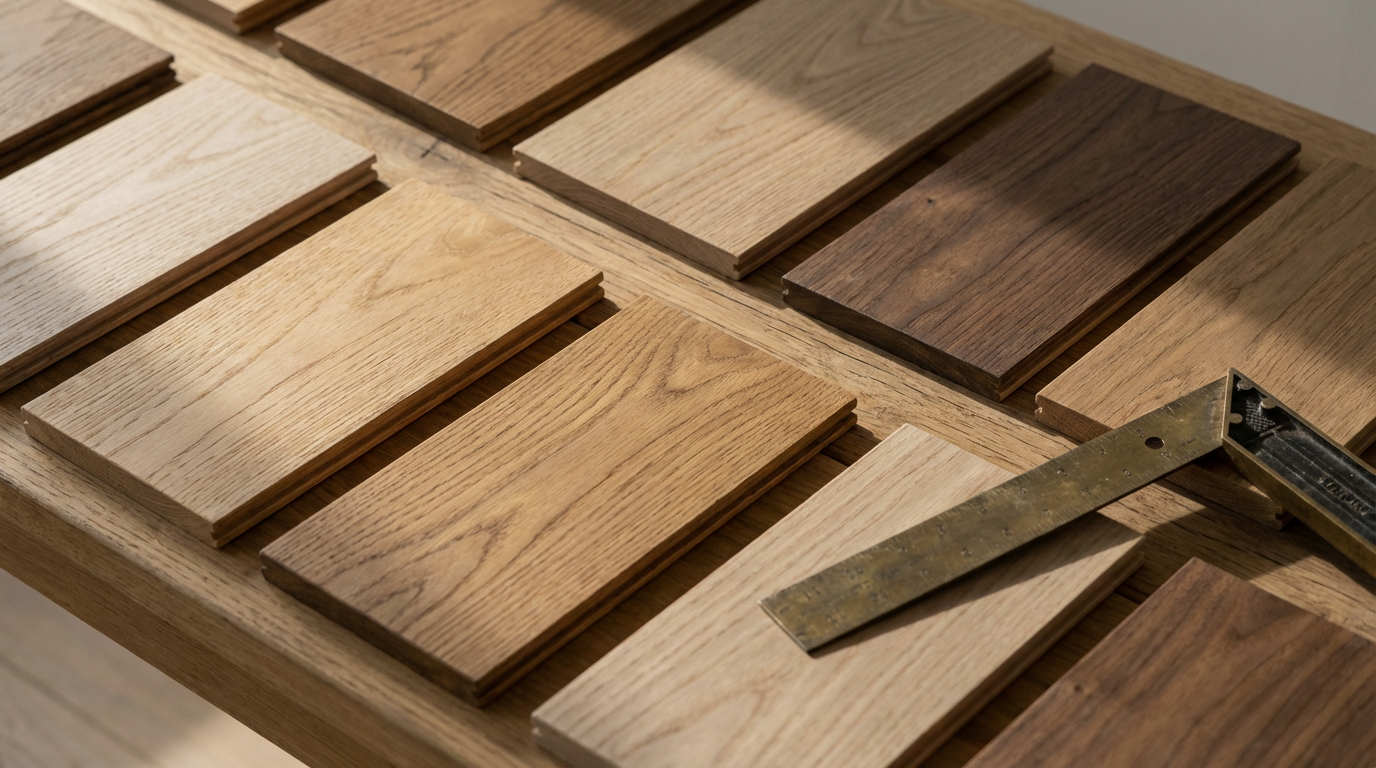
Selecting the right material requires weighing immediate budget constraints against long term labor and property value. When evaluating a deck material comparison Fort Wayne Indiana residents should consider how these materials evolve over a decade in our climate. Traditional lumber provides that unmistakable organic warmth and the ability to change colors with different stains, but it inevitably shows its age through checking and grey weathering.
Feature | Pressure Treated / Cedar | Capped Composite | PVC (Cellular) |
|---|---|---|---|
Upfront Cost | Lowest | Moderate to High | Highest |
Maintenance | High (Stain/Seal every 2 years) | Low (Periodic Cleaning) | Minimal (Soap and Water) |
Expected Lifespan | 10 to 15 Years | 25 to 30 Years | 30 to 50+ Years |
Aesthetic Profile | Natural, organic variation | Consistent, wood-mimicking | High-definition graining |
Modern synthetic options have narrowed the aesthetic gap significantly. High end PVC and capped composites now feature variegated color patterns and deep, wire brushed textures that mimic the grain of exotic hardwoods like Ipe or Tigerwood. While wood remains the most authentic in terms of tactile feel, it is also the most volatile under the stress of Indiana winters. In contrast, PVC provides a consistent, splinter free surface that retains its original appearance for decades. If you are balancing these visual preferences with your lifestyle needs, you can learn more about Intricate Fencing to see how we help clients select the right grade for their specific architecture. This decision ultimately dictates the total cost of ownership for your professional deck construction project. For a specific look at how these materials impact your budget, you can request a custom quote tailored to your backyard dimensions.
2026 Deck Construction Costs in Fort Wayne
Understanding the financial landscape is essential when finalizing your deck material comparison Fort Wayne Indiana homeowners often find that 2026 price points reflect a combination of material demand and local labor rates. For a professional deck construction project, costs vary significantly based on the chosen substrate and the complexity of the site.
Decking Material | Estimated Cost per Square Foot (Installed) |
|---|---|
Pressure Treated Pine | $25 – $35 |
Western Red Cedar | $40 – $55 |
Capped Composite | $55 – $75 |
Premium PVC | $65 – $90+ |
In the current Fort Wayne market, basic pressure treated wood decks typically start around $25 per square foot. While this is the most accessible entry point, premium builds using capped composite or PVC often exceed $55 to $60 per square foot. These estimates include the structural framing, decking boards, and standard railing systems. Beyond the materials, you must account for local permit requirements. The Allen County Building Department requires permits for most deck structures to ensure they meet safety codes regarding footer depth and load bearing capacity.
Professional installation is also a prerequisite for long term warranty protection. Most manufacturers of synthetic decking will not honor their 25 to 50 year fade and stain warranties if the boards were installed using improper spacing or fastening methods. To receive a line item breakdown for your specific backyard dimensions, you can request a custom quote today. You can also learn more about Intricate Fencing and our commitment to code-compliant, warrantied craftsmanship.
Maximum ROI: How Your Deck Choice Affects Property Value
Real estate markets in established neighborhoods like Aboite and Georgetown reward smart exterior upgrades. A high quality professional deck construction project adds functional square footage that resonates with modern buyers looking for turnkey homes. When potential owners perform a deck material comparison Fort Wayne Indiana during a property walkthrough, they increasingly prioritize longevity over initial charm.
Low maintenance materials like composite or PVC serve as a massive selling point because they eliminate the burden of future labor. While traditional wood offers a strong immediate return on investment, its value depreciates rapidly if the strict maintenance schedule is neglected. Investing in synthetic materials ensures the structure remains a long term asset rather than a liability during a home inspection. You can learn more about Intricate Fencing to see our portfolio of value adding builds or request a custom quote to estimate your project’s specific impact on home equity.
Choosing the right deck material involves balancing initial costs with long-term maintenance needs. Whether you prefer the natural charm of wood or the durability of composite and PVC, your selection will shape your outdoor living experience for years to come. If you want expert help navigating these options and ensuring your installation suits the local Fort Wayne climate, you can learn more about our approach to quality craftsmanship. We are here to help you build a space that perfectly fits your lifestyle and budget.